
| Statistic | Plantation | Florida | National |
| Population | 96,900 | 21,997,150 | 336,919,644 |
| Population density (sq mi) | 4,479 | 410 | 91 |
| Median age | 40.3 | 41.6 | 37.7 |
| Male/Female ratio | 0.9:1 | 1.0:1 | 1.0:1 |
| Married (15yrs & older) | 53% | 54% | 55% |
| Families w/ Kids under 18 | 41% | 38% | 43% |
| Speak English | 65% | 72% | 79% |
| Speak Spanish | 22% | 21% | 13% |

Understanding the demographics of Plantation is essential for gaining insights into the composition, dynamics and needs of any city, town or village. This knowledge empowers planners, developers and policymakers to strategize effectively, promoting prosperity, equity and well-being for all residents. The Plantation population is 96,900, with a population density of 4,479 people per square mile, diverging from the national average of 91. The median age is 40.3, and 53% of individuals aged 15 or older are married, while 41% have children under 18. As far as income equality in Plantation, 14% of households have a median income below $25,000, whereas 25% report an income exceeding $150,000, indicating a varied economic landscape within the area.
Understanding the Plantation racial demographics and ethnic composition is paramount for addressing systemic inequities, advancing social justice and inclusion and fortifying communities. In Plantation, the racial breakdown indicates 60.4% White, 23.4% Black or African American, 5.2% Asian, 0.1% American Indian and 0% Native Hawaiian, with 26.4% of the population identifying as Hispanic or Latino. Notably, 64.7% of households reported speaking English only, while 22.5% reported speaking Spanish only. Additionally, 31.5% of residents were categorized as foreign-born.
Areas with a high population density tend to support a wide range of amenities and services within walking distance or a short commute. Residents tend to have convenient access to healthcare facilities, educational institutions, cultural venues, restaurants, shops and public transportation options, enhancing their quality of life and overall well-being. The Plantation population density is 4,479 people per square mile, which is well-above the national average of 91 and is considered one of the most densely populated cities in the country.
Social Cohesion: The examination and interpretation of demographics are pivotal for nurturing social cohesion and promoting understanding among diverse communities. By acknowledging and honoring differences in Plantation demographics, societies can champion inclusivity, diversity and social cohesion while addressing social disparities and advocating for equitable opportunities. Racial demographics can potentially showcase the diversity of a population and are crucial for fostering inclusive and embracing communities. Embracing diversity fortifies social bonds, fosters cultural appreciation and enriches society by celebrating the contributions of individuals from diverse racial and ethnic backgrounds.
Understanding Populations: By reporting and analyzing Plantation demographics, we can acquire valuable insights into the makeup and traits of populations, encompassing age, gender, race, ethnicity, income, education and various socio-economic factors. This comprehension is vital for tackling the varied needs, preferences, and obstacles encountered by different demographic groups within communities. Demographics serve a pivotal role in comprehending populations, guiding decision-making processes and advancing equity, inclusion and overall well-being for all individuals and communities. The Plantation population data serves as a cornerstone for addressing social, economic and environmental challenges, while also fostering the well-being and strength of communities.
Healthcare Planning: Analyzing the demographic data in Plantation has the potential to inform healthcare planning and delivery by identifying population health needs, disparities and risk factors. Healthcare providers and policymakers can allocate resources more effectively, develop prevention and intervention programs and address health inequities within communities by understanding demographic trends. Leveraging demographic statistics can enable healthcare providers and policymakers to strive for equitable, accessible and high-quality healthcare for all individuals and communities. This proactive healthcare planning approach ensures targeted interventions, efficient resource allocation and tailored healthcare services to meet diverse population needs.
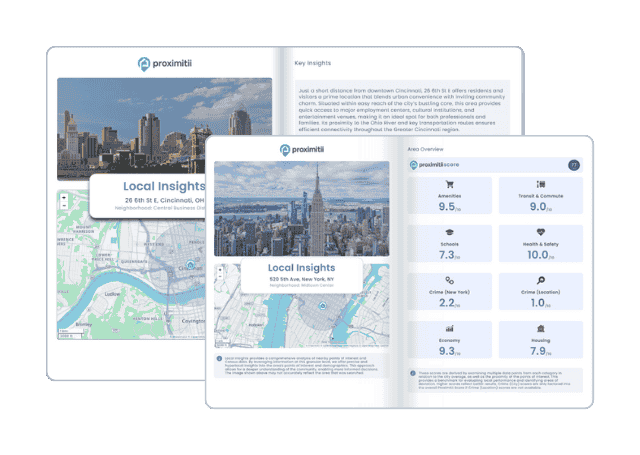
Why stop at city-to-city? With Local Insights, you can compare neighborhoods, zip codes, or even exact addresses. Access 300+ hyperlocal data points—from schools and crime to housing and amenities—to see which area is the better fit.
| Race | Plantation | Florida | National |
| White | 60.40% | 75.90% | 73.35% |
| Black | 23.36% | 16.14% | 12.63% |
| Asian | 5.15% | 2.61% | 5.22% |
| American Indian | 0.13% | 0.27% | 0.82% |
| Native Hawaiian | 0.05% | 0.06% | 0.18% |
| Mixed race | 7.89% | 2.48% | 3.06% |
| Other race | 3.03% | 2.54% | 4.75% |


 Here are the best places to live in Florida
 Most Dangerous Cities In The US
 Safest Cities In The US
 Check out the 10 most dangerous cities in Florida