

 Cost Of Living
Taking into account the cost of goods and services like housing, groceries, transportation and utilities, the overall cost of living in this area is well below average.
 Employment
Higher than average median household income, income per capita and lower unemployment rates are seen in this area. The result is a high score in the employment category.
 Housing
High scores in the housing category are a distinguishing feature of this area, possibly driven by a favorable home affordability ratio, higher home values and appreciation rates.
 Amenities
The majority of amenities are not ideally located within walking distance. To access these amenities, residents may be required to rely on a vehicle or public transit.
 Commute
A low commute score could be due to longer-than-average work commutes and the limited availability of public transportation in this area.
 Health & Safety
The low score in this category could be due to challenges related to air quality and the limited accessibility of health-related facilities like hospitals, nursing homes, doctors and pharmacies.
 Schools
The low schools score could result from issues like below-average graduation rates, inadequate reading and math scores, and the unavailability of local elementary and high schools.
Located in the state of Florida, Pasadena Hills is a medium-sized city with a population of 11,301 residents. According to the most recent Census, 72% of Pasadena Hills residents are White, 16% Black and 6% Asian. An important consideration when living in Pasadena Hills is the longer-than-average commute times. If you seek a short work commute, this area may not be the best choice for you. The one-way commute time here typically takes 33 minutes, far surpassing the national average of 26 minutes.
Without the right tools, moving to any new town can be very stressful and challenging. Living in Pasadena Hills, Florida could be a positive experience for anyone who puts in the effort to do the research required. When searching for a new neighborhood, several key items should be considered. Safety is paramount, ensuring a secure environment for you and your family. Proximity to workplaces or schools reduces commuting time and enhances convenience. Access to amenities like parks, grocery stores and healthcare facilities contributes to a comfortable lifestyle. Reliable public transportation options promote easy mobility. A strong sense of community fosters social connections and a welcoming atmosphere. With useful information like cost of living, health & safety, employment, housing and other key data points, finding the best places to live in Pasadena Hills and in the areas around Pasadena Hills is a much easier task.
With a livability score of 63 out of 100, Pasadena Hills is ranked #13,723 in the United States and #684 in Florida. Based on the grades for each individual category, Pasadena Hills has received high marks for cost of living (A+), employment (B+) and housing (A+). There are some categories that Pasadena Hills scores poorly for, including: amenities (F) and education (F). It might be worth taking a closer look to find out why.
When contemplating a move, job prospects often top the list of priorities. In Pasadena Hills, the outlook for new employment is notably brighter than in many other areas. The low unemployment rate of 1.1% points to a surge in job opportunities, the potential for higher wages, enhanced workforce productivity and increased economic growth. These favorable conditions bode well for individuals seeking career advancement and financial stability, making this area an appealing destination for those prioritizing professional opportunities and economic prosperity.
Finding affordable real estate and housing in Pasadena Hills can be tricky. Having said that, this area might be the place to get the best of both worlds. Based on factors like home/rental affordability and appreciation rates, this area has received an above average score in the housing category. A healthy real estate market can lead to wealth appreciation for property owners, as rising property values can contribute to homeowners' equity, financial stability and the ability to build long-term wealth.
Pasadena Hills real estate prices and overall affordability will play a huge role in determining if the area is the right fit for you. Of course there are probably some other items on your “wish list”, but even before they are considered, let’s take a look at the home prices and affordability in Pasadena Hills. The median home price for Pasadena Hills homes is $214,900, which is 28.8% higher than the Florida average. If we take a closer look at the affordability of homes in Pasadena Hills, we’ll see that the home price to income ratio is 3.4, which is 0% lower than the Florida average.
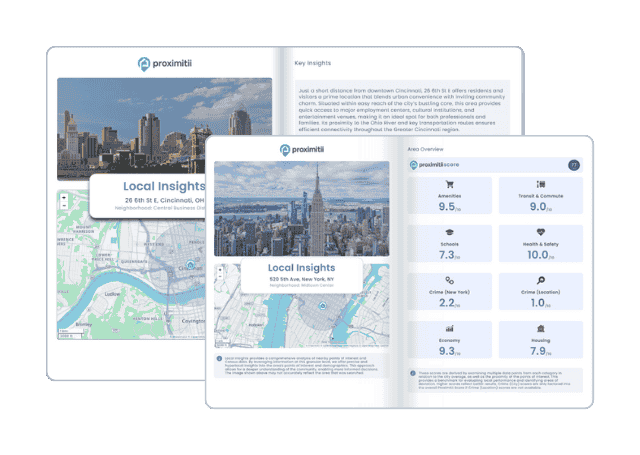
Why stop at city-to-city? With Local Insights, you can compare neighborhoods, zip codes, or even exact addresses. Access 300+ hyperlocal data points—from schools and crime to housing and amenities—to see which area is the better fit.

| Statistic | Pasadena Hills | Florida | National |
| Average one way commute | 33min | 27min | 26min |
| Workers who drive to work | 79.1% | 79.5% | 76.4% |
| Workers who carpool | 7.9% | 9.3% | 9.3% |
| Workers who take public transit | 0.0% | 2.1% | 5.1% |
| Workers who bicycle | 0.0% | 0.7% | 0.6% |
| Workers who walk | 0.3% | 1.5% | 2.8% |
| Working from home | 9.9% | 5.4% | 4.6% |
 Here are the best places to live in Florida
 Check out the 10 most dangerous cities in Florida
 See the best places to live in Pasadena Hills
 Most Dangerous Cities In The US