

 Cost Of Living
Taking into account the cost of goods and services like housing, groceries, transportation and utilities, the overall cost of living in this area is well below average.
 Crime
Crime
Crime per 100,000 people is significantly lower than the national average, making it a safe place to live. These crime statistics include both violent and property crimes.
 Housing
High scores in the housing category are a distinguishing feature of this area, possibly driven by a favorable home affordability ratio, higher home values and appreciation rates.
 Health & Safety
Good air quality as well as nearby health facilities like hospitals, clinics, nursing homes, fire and police stations all contribute to a higher than average health and safety score.
 Ratings
Based on recent surveys and polls, locals gave high marks in the walkability to local amenities, safety, public transit, friendliness of neighbors and overall sense of community in the area.
 Amenities
The majority of amenities are not ideally located within walking distance. To access these amenities, residents may be required to rely on a vehicle or public transit.
 Commute
A low commute score could be due to longer-than-average work commutes and the limited availability of public transportation in this area.
Oskaloosa is a mid-sized city located in the state of Iowa. The city has a population of 12,090 people. The majority of Oskaloosa residents report their race to be White; this is followed by Black and Asian. Not a fan of sitting in traffic during your commute to work? Oskaloosa offers shorter work commutes, with an average one-way commute time taking only 15 minutes, far lower than the national average of 26 minutes.
Living in Oskaloosa can be a great experience for anyone relocating to the area. Having said that, in the state of Iowa, there are many incredible places to live, so choose wisely! When searching for a new neighborhood, several factors play a vital role in determining its suitability. Safety should be a top priority, ensuring a secure environment with low crime rates. Proximity to your workplace or school helps minimize commuting time and allows for a better work-life balance. Availability of essential amenities such as parks, coffee shops, restaurants, grocery stores, and healthcare facilities contributes to convenience and well-being. Access to reliable public transportation options facilitates easy commuting and connectivity. Additionally, considering the sense of community and the overall atmosphere that resonates with your lifestyle and preferences fosters a harmonious living experience. Using the livability score which includes data from categories like crime, cost of living, health & safety, education, housing, you can easily compare the best places to live in Oskaloosa and also determine if there are any nearby cities that might be a better match for your lifestyle. You can also compare Oskaloosa to Iowa and the national average.
Oskaloosa has a livability score of 79 out of 100 and is ranked #83 in Iowa and #1,902 in the USA. This is a fantastic score, as Oskaloosa ranks well in multiple categories! The cherry on top is that Oskaloosa also ranks in the top 10 percent of all cities. There are nine total categories that generate the livability score. Oskaloosa ranks well for education (B-) and housing (A) There are some categories that Oskaloosa ranks poorly for, including: amenities (D-). It might be worth taking a closer look to find out why.
Crime rates play a pivotal role in the decision-making process for anyone considering a move, as they directly influence the overall sense of safety, security and quality of life in a given location. Oskaloosa shines in this regard, earning exemplary ratings for its exceptionally low violent crime rates, standing at 140 crimes per 100,000 residents. These rates are notably below the national average, underscoring the community's commitment to safety and contributing to an enhanced quality of life.
When contemplating a move, job prospects often top the list of priorities. In Oskaloosa, the outlook for new employment is notably brighter than in many other areas. The low unemployment rate of 2.7% points to a surge in job opportunities, the potential for higher wages, enhanced workforce productivity and increased economic growth. These favorable conditions bode well for individuals seeking career advancement and financial stability, making this area an appealing destination for those prioritizing professional opportunities and economic prosperity.
A robust real estate market serves as a crucial economic indicator, reflecting the local area's strength, stability and the confidence of its residents. Oskaloosa excels in the housing sector, scoring high marks based on factors such as median home and rental prices, appreciation rates and home affordability. These calculations suggest that the apartment rental and real estate market in the region is exceptionally healthy, highlighting the area's economic vitality and attractiveness to potential homebuyers and renters.
Assuming that Oskaloosa meets all of your requirements like low crime rates, good schools and great local amenities, the next most important item to examine is the affordability of real estate in Oskaloosa. Everything else becomes a lot less important if it turns out that home prices in Oskaloosa are simply unattainable. Median real estate prices in Oskaloosa come in at $170,766, which is 28.9% lower than the Iowa average. The home price to income ratio compares the median home prices to the median household income. In Oskaloosa, the home price to income ratio is 2.3, which is 23.3% lower than the Iowa average.
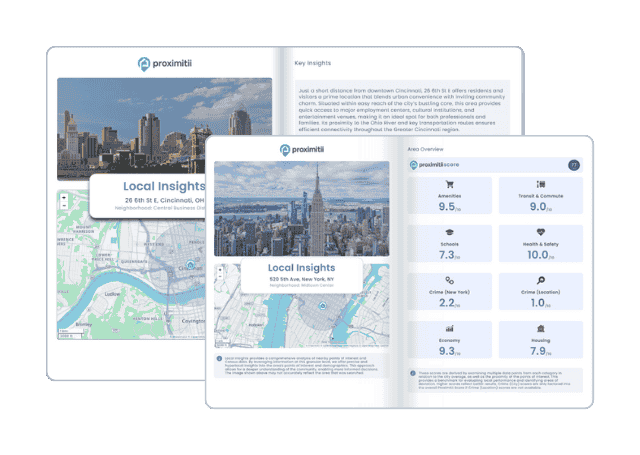
Why stop at city-to-city? With Local Insights, you can compare neighborhoods, zip codes, or even exact addresses. Access 300+ hyperlocal data points—from schools and crime to housing and amenities—to see which area is the better fit.

| Statistic | Oskaloosa | Iowa | National |
| Average one way commute | 15min | 19min | 26min |
| Workers who drive to work | 79.3% | 80.7% | 76.4% |
| Workers who carpool | 9.2% | 8.6% | 9.3% |
| Workers who take public transit | 0.2% | 1.1% | 5.1% |
| Workers who bicycle | 0.8% | 0.5% | 0.6% |
| Workers who walk | 6.4% | 3.5% | 2.8% |
| Working from home | 4.0% | 4.5% | 4.6% |

 Here are the best places to live in Iowa
 These are the 10 cheapest cities in Iowa
 See the best places to live in Oskaloosa
 These are the largest cities in Iowa