
| Statistic | Lima | Ohio | National |
| Population | 38,026 | 12,145,682 | 336,919,644 |
| Population density (sq mi) | 2,809 | 297 | 91 |
| Median age | 33.5 | 39.3 | 37.7 |
| Male/Female ratio | 1.1:1 | 1.0:1 | 1.0:1 |
| Married (15yrs & older) | 38% | 56% | 55% |
| Families w/ Kids under 18 | 53% | 42% | 43% |
| Speak English | 96% | 93% | 79% |
| Speak Spanish | 2% | 2% | 13% |

The population of Lima is 38,026, with a population density of 2,809 people per square mile, diverging from the national average of 91. The median age is 33.5 and 38% of individuals aged 15 or older are married, while 53% have children under 18. As far as income equality in Lima goes, 37% of households have a median income below $25,000, whereas 3% report an income exceeding $150,000. The Lima demographics data can provide indispensable insights into the composition, dynamics and needs of cities, towns or even villages, empowering planners, developers and policymakers to devise strategies that foster prosperity, equity and well-being for all residents.
Understanding the Lima racial demographics and ethnic composition is paramount for addressing systemic inequities, advancing social justice and inclusion and fortifying communities. In Lima, the racial breakdown indicates 64.3% White, 25.2% Black or African American, 0.2% Asian, 0.1% American Indian and 0% Native Hawaiian, with 4.7% of the population identifying as Hispanic or Latino. Notably, 96% of households reported speaking English only, while 2% reported speaking Spanish only. Additionally, 1.4% of residents were categorized as foreign-born.
The Lima population density comes in at 2,809 people per square mile, which makes it one of the most densely populated areas in the country, far surpassing the national average of 91. Areas characterized by high population density often boast an abundance of amenities and services within close proximity, providing residents with convenient access to healthcare, education, cultural attractions, dining establishments, retail outlets and transportation options. This accessibility could potentially enhance residents' overall quality of life and well-being.
A family-friendly city like Lima can place a strong emphasis on the well-being and requirements of families, establishing an atmosphere where children flourish, parents receive ample support and families collectively enjoy a superior quality of life. These cities are renowned for nurturing a tight-knit community, where neighbors actively support and watch out for each other. Additionally, they often feature outstanding educational opportunities, including top-tier schools, well-equipped libraries and diverse extracurricular activities. Access to quality education is indispensable for the holistic development and future achievements of children. By prioritizing the welfare of its inhabitants, such cities evolve into dynamic and resilient communities where families can genuinely thrive. In Lima, 53% of families have children under the age of 18, and 38% of residents aged over 15 are married. These demographic characteristics position this locality to fully reap the rewards of being a family-friendly area.
Social Cohesion: The reporting and analysis of demographics are essential for fostering social cohesion and understanding among diverse communities. By acknowledging and valuing differences in Lima demographics, societies can champion inclusivity, diversity and social harmony while tackling social disparities and advocating for equal opportunities. Racial demographics showcase the varied makeup of a population and play a vital role in nurturing inclusive and hospitable communities. Embracing diversity bolsters social cohesion, enhances cultural comprehension and enriches society by honoring the contributions of individuals from diverse racial and ethnic backgrounds.
Understanding Populations: By delving into and analyzing the Lima demographic stats, we can uncover insightful details regarding the composition and attributes of populations, spanning age, gender, race, ethnicity, income, education and other socio-economic indicators. This comprehension is vital for addressing the diverse needs, preferences and hurdles faced by various demographic groups within communities. Demographics wield significant influence in understanding populations, shaping decision-making processes and championing equity, inclusion, and the overall welfare of all individuals and communities. The Lima population and demographic data serves as a cornerstone for tackling social, economic and environmental challenges, while simultaneously nurturing the well-being and resilience of societies.
Healthcare Planning: The analysis of Lima demographics can offer insights into healthcare planning and delivery, identifying population health needs, disparities and risk factors. By understanding demographic trends, healthcare providers and policymakers can allocate resources effectively, develop prevention and intervention programs and address health inequities within communities. Through the use of demographic data and statistics, healthcare providers and policymakers aim to achieve equitable, accessible and high-quality healthcare for all individuals and communities. This proactive approach to healthcare planning ensures targeted interventions, efficient resource allocation and customized healthcare services to meet the diverse needs of populations.
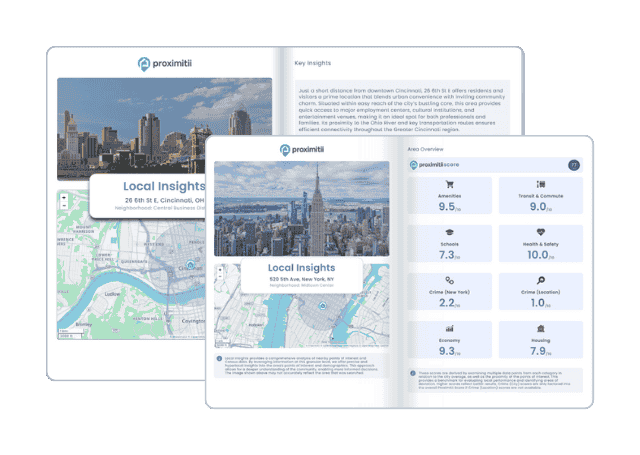
Why stop at city-to-city? With Local Insights, you can compare neighborhoods, zip codes, or even exact addresses. Access 300+ hyperlocal data points—from schools and crime to housing and amenities—to see which area is the better fit.
| Race | Lima | Ohio | National |
| White | 64.32% | 82.16% | 73.35% |
| Black | 25.22% | 12.27% | 12.63% |
| Asian | 0.15% | 1.94% | 5.22% |
| American Indian | 0.10% | 0.19% | 0.82% |
| Native Hawaiian | 0.00% | 0.03% | 0.18% |
| Mixed race | 8.32% | 2.57% | 3.06% |
| Other race | 1.90% | 0.85% | 4.75% |


 Here are the best places to live in Ohio
 Check out the 10 safest cities in Ohio
 See the best places to live in Lima
 Safest Cities In The US