

 Cost Of Living
The cost of living in this region is notably lower than the national average, encompassing everyday goods, housing, utilities, transportation and health care expenses.
 Crime
Crime
The crime rate is far lower than the national average per 100,000 residents. As such, it should be considered a very safe place to live when compared to other areas.
 Housing
High scores in the housing category are attributed to this area, possibly pointing to a favorable home affordability ratio, robust appreciation rates or elevated home values.
 Amenities
A large portion of amenities are not ideally situated within walking distance, potentially requiring residents to utilize a vehicle or public transportation.
 Commute
Access to public transportation in this particular area may be limited, which can result in longer-than-average commute times to reach workplaces.
 Employment
Low income levels and high unemployment rates results in a low score in the employment category. It could prove difficult to find well-paying employment in this area.
 Health & Safety
A low health and safety score may be attributed to factors such as subpar air quality and the unavailability of certain health-related facilities like hospitals, clinics, doctors and pharmacies.
 Schools
The lower than average schools score may be influenced by below-average education levels, subpar reading and math scores and the lack of access to local elementary and high schools.
Located in the state of Texas, Hillsboro is a smaller city with a population of 8,553 residents. According to the most recent Census, 66% of Hillsboro residents are White, 17% Black and 1% Asian. Additionally, more than a quarter of the population of Hillsboro are of Hispanic or Latino origin, and 31% of the population also speak Spanish.
Living in Hillsboro can be a fulfilling experience for anyone relocating to the town. Having said that, in the state of Texas, there are many desirable places to live, so choose wisely! When searching for a new neighborhood, several factors play a vital role in determining its suitability. Safety should be a top priority, ensuring a secure environment with low crime rates. Proximity to your workplace or school helps minimize commuting time and allows for a better work-life balance. Availability of essential amenities such as parks, coffee shops, restaurants, grocery stores, and healthcare facilities contributes to convenience and well-being. Access to reliable public transportation options facilitates easy commuting and connectivity. Additionally, considering the sense of community and the overall atmosphere that resonates with your lifestyle and preferences fosters a harmonious living experience. To help you find the best places to live in and around Hillsboro, AreaVibes has created a livability score using key metrics like amenities, education, employment and more.
Using data and statistics Hillsboro has received a livability score of 63 out of 100. This score is ranked in the 52nd percentile when compared to all other cities. If we dig a little deeper into each category within the livability score, we see that Hillsboro has higher than average scores for the following: crime (B) and housing (A+). There are some categories that Hillsboro ranks poorly for, including: amenities (F), education (F) and employment (D-). It might be worth taking a closer look to find out why.
Crime rates can be the deciding factor for anyone looking to relocate to a new area, as the result is often a greater level of safety and security as well as an improved quality of life. Hillsboro gets top scores for their low violent crime rates of 135 crimes per 100,000 residents, which are significantly lower than the national average.
A healthy real estate market serves as a key economic indicator. It could signify overall local economic strength, stability and reflects consumer confidence in the area. Based on multiple factors including: median home and rental prices, appreciation rates and home affordability, Hillsboro has received high marks in the housing category. Based on these calculations, the apartment rental and real estate market appears to be very healthy.
Certain items on your wish list like shopping, restaurants, nightlife, parks and proximity to public transportation are all important things to look for. Having said that, perhaps the most important metric to consider when contemplating a move to Hillsboro is real estate affordability. Median real estate prices in Hillsboro come in at $154,667, which is 39.8% lower than the Texas average. The home price to income ratio compares the median home prices to the median household income. In Hillsboro, the home price to income ratio is 2.1, which is 34.4% lower than the Texas average.
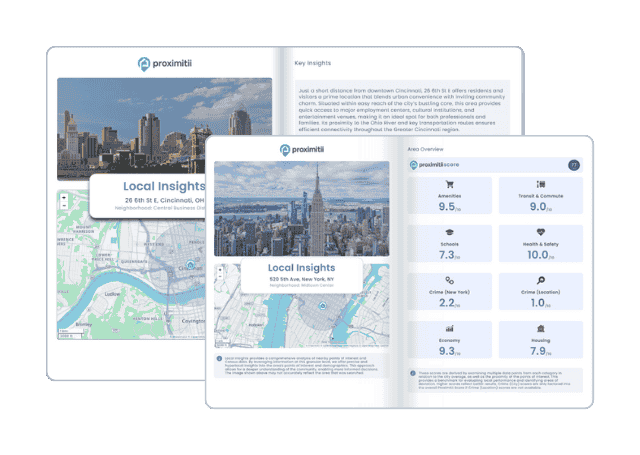
Why stop at city-to-city? With Local Insights, you can compare neighborhoods, zip codes, or even exact addresses. Access 300+ hyperlocal data points—from schools and crime to housing and amenities—to see which area is the better fit.

| Statistic | Hillsboro | Texas | National |
| Average one way commute | 22min | 26min | 26min |
| Workers who drive to work | 77.4% | 80.3% | 76.4% |
| Workers who carpool | 17.9% | 10.6% | 9.3% |
| Workers who take public transit | 0.0% | 1.5% | 5.1% |
| Workers who bicycle | 0.2% | 0.3% | 0.6% |
| Workers who walk | 0.7% | 1.6% | 2.8% |
| Working from home | 3.2% | 4.3% | 4.6% |

 Here are the best places to live in Texas
 These are the largest cities in Texas
 Most Dangerous Cities In The US
 Safest States In The US