

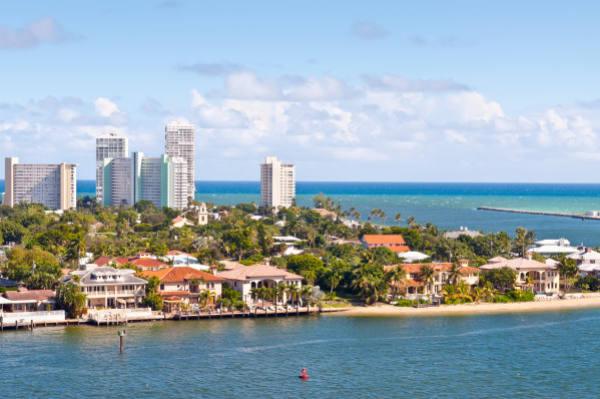
Fort Lauderdale, FL, known as "The Venice of America," is famous for its extensive canal system and vibrant lifestyle. Located in southeastern Florida, Fort Lauderdale is approximately 25 miles north of Miami and 40 miles south of West Palm Beach. This medium-sized city offers a unique blend of urban amenities and waterfront living, making it a highly desirable place to reside.
Fort Lauderdale's climate features hot, humid summers and mild winters, ideal for enjoying outdoor activities year-round. The city boasts numerous parks and recreational areas, such as the scenic Hugh Taylor Birch State Park and the expansive Fort Lauderdale Beach Park, which offer hiking, biking, and opportunities for water sports.
The cultural scene in Fort Lauderdale is dynamic, with attractions like the Bonnet House Museum & Gardens, the NSU Art Museum, and the Broward Center for the Performing Arts. The city hosts a variety of events and festivals throughout the year, including the Fort Lauderdale International Boat Show and the Las Olas Art Fair, which draw visitors and residents alike.
Education is a priority in Fort Lauderdale, with institutions like Broward College and Nova Southeastern University providing higher education opportunities. The city's public and private schools are highly regarded, making Fort Lauderdale an attractive place for families. The presence of major healthcare institutions, such as the Broward Health Medical Center, also supports a strong job market.
Living in Fort Lauderdale combines the benefits of urban living with the charm of a coastal community. Residents enjoy access to top-notch healthcare facilities, diverse dining options, and a range of housing choices. The city's efficient public transportation system, including buses and the Sun Trolley, makes commuting and exploring the area convenient. With its cultural richness, excellent amenities, and welcoming atmosphere, Fort Lauderdale offers a dynamic and fulfilling living experience.
Fort Lauderdale is a moderately-sized city located in the state of Florida. The city has a population of 187,807 residents. With a population density of 5,429 people per square mile, Fort Lauderdale is well above the nation's average density level. Fort Lauderdale is not known to have a high population (over 15 years old) of married people. At only 43% married, this city falls well below the national average. The average American spends about 26 minutes on their one way commute to work each day. Lower travel times can increase overall happiness and allow for more time to be spent with family and friends. While living in Fort Lauderdale, your commute times will be about average, with a one way commute time of 27 minutes.
Without the right tools, relocating to any new area can be very stressful and challenging. Living in Fort Lauderdale, Florida could be a good experience for anyone who puts in the effort to do the research required. When searching for a new neighborhood, several key items should be considered. Safety is paramount, ensuring a secure environment for you and your family. Proximity to workplaces or schools reduces commuting time and enhances convenience. Access to amenities like parks, grocery stores and healthcare facilities contributes to a comfortable lifestyle. Reliable public transportation options promote easy mobility. A strong sense of community fosters social connections and a welcoming atmosphere. Finding the best places to live in Fort Lauderdale and nearby areas is a much easier task when you can rely on information and data from the livability score, which includes cost of living, health & safety, employment and other important metrics.
With a livability score of 81 out of 100, Fort Lauderdale is ranked #1,119 in the United States and #79 in Florida. Compared to the national average, Fort Lauderdale ranks among some of the best places to live in the country! Fort Lauderdale is also ranked in the top 10 percentile of all cities across the USA. If we consider each of the categories individually, we see that Fort Lauderdale ranks well for amenities (A+), crime (A), education (B-), employment (B) and housing (A-). There is at least one category that you should be aware of in Fort Lauderdale. The following was graded with a concerning score: cost of living (D).
Fort Lauderdale has many conveniently situated amenities and captivating attractions that adds to the continuous enjoyment of your everyday life. Having the assurance of abundant conveniences and a wide array of activities ensures your easy access to nearby grocery stores, restaurants, bars, fitness facilities, coffee shops and exciting entertainment options. This not only simplifies daily routines but also fosters a vibrant and dynamic lifestyle within the community. With a wealth of resources at your fingertips, you can savor the convenience and variety that Fort Lauderdale has to offer, making it a desirable destination for those seeking both accessibility and enjoyment in their daily lives. A few of the enjoyable things to experience and sights to see are: Las Olas Boulevard, Las Olas Boulevard, and Jungle Queen Riverboat.
For home buyers, real estate will be the largest purchase they will ever make and it will also be their most valuable asset. For renters, the monthly rent paid on their Fort Lauderdale apartments will most likely be their largest expense. Based on tangible metrics like home and rental affordability and appreciation rates, housing in this area has received a score that is well above the average of every other US city. A thriving real estate market can also generate strong local economic activity and job creation.
Being close to public transit, grocery stores, parks and other conveniences are all important when weighing your options for a new home in Fort Lauderdale. Before you determine if any of these amenities are available in the area, you will also want to know if the real estate prices in Fort Lauderdale are affordable. The median home price for Fort Lauderdale homes is $637,129, which is 112.7% higher than the Florida average. If we take a closer look at the affordability of homes in Fort Lauderdale, we’ll see that the home price to income ratio is 6.7, which is 59.5% higher than the Florida average.

| Statistic | Fort Lauderdale | Florida | National |
| Average one way commute | 27min | 27min | 26min |
| Workers who drive to work | 75.2% | 79.5% | 76.4% |
| Workers who carpool | 8.2% | 9.3% | 9.3% |
| Workers who take public transit | 3.4% | 2.1% | 5.1% |
| Workers who bicycle | 0.8% | 0.7% | 0.6% |
| Workers who walk | 1.7% | 1.5% | 2.8% |
| Working from home | 8.4% | 5.4% | 4.6% |

 Here are the best places to live in Florida
 See the best places to live in Fort Lauderdale
 Safest States In The US
 Check out the 10 most dangerous cities in Florida