

 Cost Of Living
The overall cost of living in this area is much lower than average. This includes everyday goods and services, as well as housing, utilities and health care.
 Crime
Crime
With a lower than average crime rate per 100,000 people, this area could be considered a very safe place to live. Crime rates are based on both violent and property crimes.
 Employment
The combination of higher than average median home income, income per capita and low unemployment rates results in a score that is well above average in the employment category.
 Housing
This area has received high scores in the housing category. This could be due to a positive home affordability ratio, high appreciation rates or elevated home values.
 Ratings
Local residents have positive things to say about the proximity of restaurants, grocery stores, parks, public transit, friendliness of neighbors, sense of community and overall safety of the area.
 Amenities
A majority of amenities are not ideally situated within a reasonable walking distance, which may lead residents to rely on a vehicle or public transportation.
 Commute
Public transportation is not readily available in this area and the average commute time to work could also be longer than the national average.
 Health & Safety
Poor air quality and the inaccessibility of certain health related facilities like hospitals, clinics, doctors and pharmacies could have all contributed to the low score in this category.
Atoka is a smaller city located in the state of Tennessee. The city has a population of 9,712 residents. If we take a look at the last Census, the vast majority of the population falls within one racial group (87% White). Given that fact, Atoka could be considered less diverse than other cities. Long, unnecessary commutes can be both frustrating and inconvenient when heading to work. Nationwide, the average one-way commute time takes 26 minutes, but regrettably, residing in Atoka entails a longer-than-average one-way commute time, averaging 38 minutes.
Whether you’re relocating to a new area to be closer to family, friends or for a new job, living in Atoka could be a positive experience compared to other cities in Tennessee if you know where to look. Don't forget to determine what matters most to you in a neighborhood. Consider factors such as safety, proximity to work or school, access to amenities (like parks, fitness facilities, grocery stores, restaurants), public transportation options, community atmosphere and the overall vibe you're looking for. Finding the best places to live in Atoka and nearby areas is a much easier task when you can rely on information and data from the livability score, which includes crime, cost of living, commute and other important metrics.
Using data and statistics Atoka has received a livability score of 71 out of 100. This score is ranked in the 78th percentile when compared to all other cities. For each of the livability categories, we see that Atoka ranks very well for crime (A), cost of living (A+), education (B), employment (A+) and housing (A+). There are some categories that Atoka does not rank well for, including: amenities (F). It might be worth taking a closer look to find out why.
Low violent crime rates (murder, rape, robbery, assault) provide a safer environment for residents, reducing the risk of personal harm, property theft or violence. Low crime can also lead to increased property values and desirability. With 176 crimes per 100,000 residents, Atoka has a violent crime rate that is far below the national average.
Parents and families tend to prioritize school test scores when choosing educational institutions. Test score data can be a critical factor in evaluating and comparing schools. In Atoka, the average school test scores are an impressive 66%, well above the national average. This achievement reflects the educational system's dedication to providing students with the essential knowledge and tools for success. It ensures that your children will receive the support and resources needed to excel academically and thrive in their educational pursuits.
Real estate represents the most substantial investment for homebuyers, constituting their most valuable asset. Renters, on the other hand, typically see their monthly rent as their most significant expense. The Atoka market earns a high score in the housing category, surpassing the national average in factors like home and rental affordability and appreciation rates. This robust real estate market not only benefits individual homeowners and renters but also spurs vigorous local economic activity and job growth, solidifying its significance in driving the region's prosperity and financial well-being.
There are many factors that go into deciding if an area is the right fit for your lifestyle. Certain “must haves” like low crime, great schools and nearby amenities are all at the top of most people's lists. But before even considering if those options are attainable, we'll need to know if the real estate in Atoka is actually affordable. The median home price for Atoka homes is $364,611, which is 39.1% higher than the Tennessee average. If we take a closer look at the affordability of homes in Atoka, we’ll see that the home price to income ratio is 2.8, which is 24.3% lower than the Tennessee average.
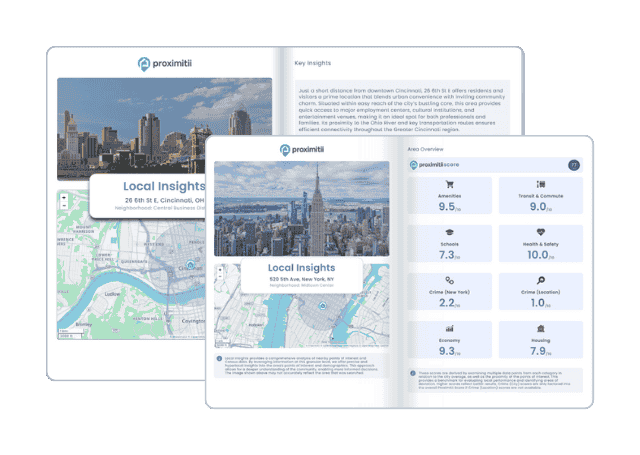
Why stop at city-to-city? With Local Insights, you can compare neighborhoods, zip codes, or even exact addresses. Access 300+ hyperlocal data points—from schools and crime to housing and amenities—to see which area is the better fit.

| Statistic | Atoka | Tennessee | National |
| Average one way commute | 38min | 25min | 26min |
| Workers who drive to work | 95.2% | 83.6% | 76.4% |
| Workers who carpool | 2.3% | 9.2% | 9.3% |
| Workers who take public transit | 0.0% | 0.8% | 5.1% |
| Workers who bicycle | 0.0% | 0.1% | 0.6% |
| Workers who walk | 0.0% | 1.4% | 2.8% |
| Working from home | 2.2% | 3.9% | 4.6% |

 Here are the best places to live in Tennessee
 Most Dangerous States In The US
 Check out the 10 most dangerous cities in Tennessee
 Safest States In The US