

 Amenities
Conveniently located, the area boasts a variety of amenities, including grocery stores, shopping, coffee shops and entertainment options all within walking distance.
 Commute
The high commute score in this area could imply easy access to public transportation, as well as shorter-than-average commute times to your workplace.
 Employment
With higher than average median household income, income per capita and lower unemployment rates, this area scores extremely well in the employment category.
 Housing
Impressive scores in the housing category characterize this area, potentially attributed to the availability of affordable housing, strong appreciation rates and high home values.
 Health & Safety
Accessible health facilities like hospitals, doctors offices, clinics and nursing homes as well as good air quality are all factors that have led to a high score in this category.
 Cost Of Living
This area is known for its high cost of living, which means you should anticipate higher costs for everyday goods and services, housing, groceries, and health care.
 Crime
Crime
Reporting high crime rates per 100,000 people, this area may be perceived as an unsafe place to reside. These statistics encompass both violent and property crime rates.
South Burlington, Vermont is a moderately-sized city with a population of 20,010 inhabitants. If we take a look at the last Census, the vast majority of the population falls within one racial group (87% White). Given that fact, South Burlington could be considered less diverse than other cities. If you prefer shorter commutes, living in South Burlington will be a delight. With an average one-way commute time of just 17 minutes, traveling to and from work is notably more convenient than the national average, which stands at 26 minutes.
Are you trying to figure out if living in South Burlington is the right fit for your lifestyle? To ensure a great experience before relocating to any new city in Vermont, you will probably want to make sure that you check all of the most important boxes. Several key factors deserve attention. For one, safety is paramount, ensuring that your new area is low in crime is key. Proximity to workplaces or schools minimizes commute times and fosters convenience. Access to essential amenities like parks, grocery stores, food, fitness, shops and healthcare facilities enhances daily life. Efficient public transportation options provide mobility and connectivity. The sense of community creates a welcoming and supportive environment. Lastly, the overall atmosphere, encompassing the vibe, aesthetics, and lifestyle offerings, contributes to a fulfilling living experience. Considering these elements helps identify the ideal neighborhood for your needs and preferences. Using the livability score which includes data from categories like crime, commute, health & safety, education, employment, you can easily compare the best places to live in South Burlington and also determine if there are any nearby cities that might be a better match for your lifestyle. You can also compare South Burlington to Vermont and the national average.
With a livability score of 83/100, South Burlington is ranked #860 in the United States and #4 in Vermont. Compared to the US average, South Burlington ranks among some of the best places to live in the country! South Burlington is also ranked in the top 10 percentile of all cities across the USA. There are nine total categories that create the livability score. South Burlington ranks well for amenities (A+), education (B), employment (A+) and housing (A+) There are some categories that South Burlington ranks poorly for, including: crime (D) and cost of living (F). It might be worth taking a closer look to figure out why.
If you're considering living in South Burlington, it comes with numerous advantages, particularly in the form of an extensive selection of local amenities. These amenities play a pivotal role in elevating the quality of life within this vibrant community. From easily accessible grocery stores, to conveniently located fitness facilities, a diverse range of dining establishments and a multitude of shopping options, South Burlington provides a comprehensive array of resources for its residents. This ensures the effortless fulfillment of your daily needs and creates ample opportunities for relaxation and recreation. The convenience of these local offerings greatly contributes to the overall appeal of the area, making it an enticing destination for those in search of convenience, diversity, and a gratifying lifestyle. If you're contemplating a move, the abundance of local amenities could very well be a defining characteristic of this area.
A robust real estate market serves as a crucial economic indicator, reflecting the local area's strength, stability and the confidence of its residents. South Burlington excels in the housing sector, scoring high marks based on factors such as median home and rental prices, appreciation rates and home affordability. These calculations suggest that the apartment rental and real estate market in the region is exceptionally healthy, highlighting the area's economic vitality and attractiveness to potential homebuyers and renters.
Being close to public transit, grocery stores, parks and other conveniences are all important when weighing your options for a new home in South Burlington. Before you determine if any of these amenities are available in the area, you will also want to know if the real estate prices in South Burlington are affordable. The median home price for South Burlington homes is $560,274, which is 40.2% higher than the Vermont average. If we take a closer look at the affordability of homes in South Burlington, we’ll see that the home price to income ratio is 4.9, which is 0% lower than the Vermont average.
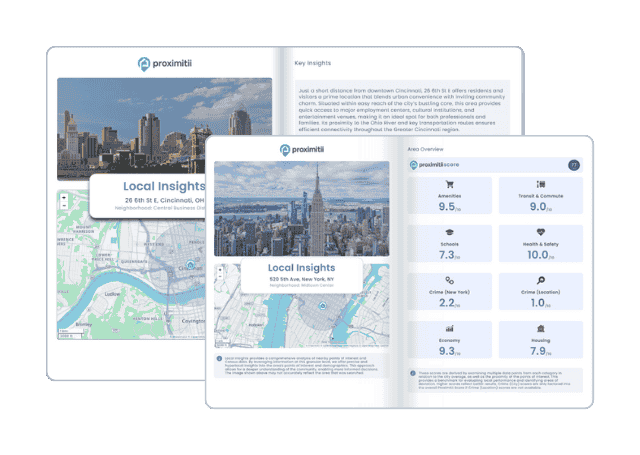
Why stop at city-to-city? With Local Insights, you can compare neighborhoods, zip codes, or even exact addresses. Access 300+ hyperlocal data points—from schools and crime to housing and amenities—to see which area is the better fit.

| Statistic | South Burlington | Vermont | National |
| Average one way commute | 17min | 23min | 26min |
| Workers who drive to work | 78.0% | 75.6% | 76.4% |
| Workers who carpool | 5.9% | 9.1% | 9.3% |
| Workers who take public transit | 2.3% | 1.2% | 5.1% |
| Workers who bicycle | 2.2% | 0.8% | 0.6% |
| Workers who walk | 3.5% | 5.7% | 2.8% |
| Working from home | 7.2% | 6.7% | 4.6% |

 Here are the best places to live in Vermont
 These are the largest cities in Vermont
 Safest States In The US
 Check out the 10 safest cities in Vermont