

Living in Sioux City, IA offers a perfect blend of history, cultural vibrancy, and economic opportunity. Located along the Missouri River, Sioux City is a hub of activity in northwest Iowa, known for its rich history and welcoming community. The city’s historic downtown area features a variety of shops, restaurants, and cultural attractions, including the Orpheum Theatre and the Sioux City Art Center, which provide a glimpse into the city’s artistic heritage.
Sioux City’s dining scene is diverse, offering a range of options from classic American fare to international cuisine. The city’s annual River-Cade festival is a highlight, celebrating the region’s connection to the Missouri River with parades, live music, and family-friendly activities. The Tyson Events Center is another focal point of the community, hosting concerts, sports events, and other large gatherings throughout the year.
For outdoor enthusiasts, Sioux City offers plenty of opportunities for recreation. The city’s parks, including Stone State Park and Bacon Creek Park, provide scenic spots for hiking, fishing, and picnicking. The nearby Dorothy Pecaut Nature Center offers educational exhibits and trails that highlight the natural beauty of the Loess Hills region.
Sioux City is also known for its strong sense of community and family-friendly environment. The city hosts a variety of events throughout the year, including the annual ArtSplash festival and the Siouxland Renaissance Festival, which bring residents together to celebrate the city’s cultural diversity and community spirit. The local schools and educational institutions, including Briar Cliff University, make Sioux City an attractive place for families and students alike.
For those considering a move to Iowa, Sioux City offers a unique blend of historical charm, cultural vibrancy, and economic growth. Whether you're drawn by its outdoor activities, cultural events, or welcoming atmosphere, living in Sioux City, IA provides a fulfilling and dynamic lifestyle.
 Cost Of Living
Everyday cost of living expenses like goods and services, housing, groceries, transportation, health care and utilities are far below the national average.
 Housing
Impressive scores in the housing category characterize this area, potentially attributed to the availability of affordable housing, strong appreciation rates and high home values.
 Health & Safety
Accessible health facilities like hospitals, doctors offices, clinics and nursing homes as well as good air quality are all factors that have led to a high score in this category.
 Ratings
According to recent surveys and polls, locals had excellent ratings for walkability to nearby amenities, safety, access to public transit and the overall sense of community in the area.
 Commute
Low commute scores could be due to limited access to public transit in this area, as well as longer-than-average work commute times for residents.
 Crime
Crime
Reporting high crime rates per 100,000 people, this area may be perceived as an unsafe place to reside. These statistics encompass both violent and property crime rates.
Located in the state of Iowa, Sioux City is a moderately-sized city with a population of 85,304 residents. If we look at the most recent Census, Sioux City is known to have a predominantly White population. The next two most common races are Black and Asian. Not a fan of sitting in traffic during your commute to work? Sioux City offers shorter work commutes, with an average one-way commute time taking only 17 minutes, far lower than the national average of 26 minutes.
Living in Sioux City can be a great experience for anyone relocating to the area. Having said that, in the state of Iowa, there are many incredible places to live, so choose wisely! When searching for a new neighborhood, several factors play a vital role in determining its suitability. Safety should be a top priority, ensuring a secure environment with low crime rates. Proximity to your workplace or school helps minimize commuting time and allows for a better work-life balance. Availability of essential amenities such as parks, coffee shops, restaurants, grocery stores, and healthcare facilities contributes to convenience and well-being. Access to reliable public transportation options facilitates easy commuting and connectivity. Additionally, considering the sense of community and the overall atmosphere that resonates with your lifestyle and preferences fosters a harmonious living experience. The best areas in Sioux City and in surrounding cities are easier to find when you are able to make informed decisions. Using data from crime, commute, education, employment, housing, you will see a detailed breakdown of the most important information as well as comparisons to the Iowa and national averages.
Sioux City, IA receives 79 out of 100 for its livability score; this results in a ranking of #84 in Iowa and #1,903 in the USA. Compared to the United States average, Sioux City ranks among some of the best places to live in the country! Sioux City also ranks in the top 10 percent of all cities, which is no small feat! There are nine total categories that create the livability score. Sioux City ranks well for amenities (B-), cost of living (A+) and housing (A+) There are some categories that Sioux City does not rank well for, including: crime (F). It might be worth taking a closer look to figure out why.
Living in Sioux City offers many benefits and offers an extensive array of local amenities. These amenities play a crucial role in enhancing the quality of life in this vibrant community. From readily accessible grocery stores to charming coffee shops, diverse dining options and generously spaced parks, Sioux City provides a wide spectrum of resources for its residents. This ensures that your daily requirements are effortlessly met and creates abundant opportunities for leisure and recreation. The abundant local offerings contribute to the area's overall appeal, making it an attractive destination for those seeking convenience, variety and a fulfilling lifestyle. If you're considering a move, the wealth of local amenities continues could be a defining feature of this remarkable locale. Among the enticing options for fun and exploration in Sioux City are: Lewis and Clark Interpretive Center, Trinity Heights, and Sergeant Floyd Monument.
A healthy real estate market serves as a key economic indicator. It could signify overall local economic strength, stability and reflects consumer confidence in the area. Based on multiple factors including: median home and rental prices, appreciation rates and home affordability, Sioux City has received high marks in the housing category. Based on these calculations, the apartment rental and real estate market appears to be very healthy.
Being close to public transit, grocery stores, parks and other conveniences are all important when weighing your options for a new home in Sioux City. Before you determine if any of these amenities are available in the area, you will also want to know if the real estate prices in Sioux City are affordable. Median real estate prices in Sioux City come in at $224,731, which is 6.4% lower than the Iowa average. The home price to income ratio compares the median home prices to the median household income. In Sioux City, the home price to income ratio is 2.6, which is 13.3% lower than the Iowa average.
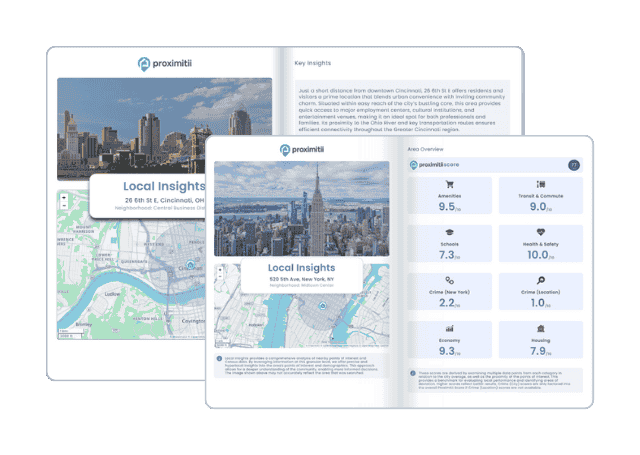
Why stop at city-to-city? With Local Insights, you can compare neighborhoods, zip codes, or even exact addresses. Access 300+ hyperlocal data points—from schools and crime to housing and amenities—to see which area is the better fit.

| Statistic | Sioux City | Iowa | National |
| Average one way commute | 17min | 19min | 26min |
| Workers who drive to work | 83.7% | 80.7% | 76.4% |
| Workers who carpool | 9.5% | 8.6% | 9.3% |
| Workers who take public transit | 1.4% | 1.1% | 5.1% |
| Workers who bicycle | 0.1% | 0.5% | 0.6% |
| Workers who walk | 1.9% | 3.5% | 2.8% |
| Working from home | 2.9% | 4.5% | 4.6% |

 Here are the best places to live in Iowa
 These are the 10 cheapest cities in Iowa
 Check out the 10 most dangerous cities in Iowa
 See the best places to live in Sioux City