

 Cost Of Living
Taking into account the cost of goods and services like housing, groceries, transportation and utilities, the overall cost of living in this area is well below average.
 Housing
High scores in the housing category are a distinguishing feature of this area, possibly driven by a favorable home affordability ratio, higher home values and appreciation rates.
 Health & Safety
Good air quality as well as nearby health facilities like hospitals, clinics, nursing homes, fire and police stations all contribute to a higher than average health and safety score.
 Ratings
Based on recent surveys and polls, locals gave high marks in the walkability to local amenities, safety, public transit, friendliness of neighbors and overall sense of community in the area.
 Commute
A low commute score could be due to longer-than-average work commutes and the limited availability of public transportation in this area.
 Crime
Crime
This area reports elevated crime rates per 100,000 individuals, potentially pointing some areas being unsafe for its residents. Stats are based on both property and violent crimes.
 Schools
The low schools score could result from issues like below-average graduation rates, inadequate reading and math scores, and the unavailability of local elementary and high schools.
Parsons is a small-sized city located in the state of Kansas. The city has a population of 9,975 residents. At 84%, the majority of the Parsons population is White; this is followed by 9% Black and 1% American Indian and Alaskan. If you're not a fan of traffic congestion and long commute times to work, Parsons is the place to be. Commutes to work here are shorter, with an average one-way commute time taking only 11 minutes, significantly lower than the national average of 26 minutes.
Are you trying to ascertain if living in Parsons is the right fit for your lifestyle? To ensure a great experience before relocating to any new city in Kansas, you will probably want to make sure that you check all of the most important boxes. Several key factors deserve attention. For one, safety is paramount, ensuring that your new area is low in crime is key. Proximity to workplaces or schools minimizes commute times and fosters convenience. Access to essential amenities like parks, grocery stores, food, fitness, shops and healthcare facilities enhances daily life. Efficient public transportation options provide mobility and connectivity. The sense of community creates a welcoming and supportive environment. Lastly, the overall atmosphere, encompassing the vibe, aesthetics, and lifestyle offerings, contributes to a fulfilling living experience. Considering these elements helps identify the ideal neighborhood for your needs and preferences. Using the livability score which includes data from categories like amenities, cost of living, health & safety, employment, housing, you can easily compare the best places to live in Parsons and also determine if there are any nearby cities that might be a better match for your lifestyle. You can also compare Parsons to Kansas and the national average.
Using data and statistics Parsons has received a livability score of 72/100. This score is ranked in the 81st percentile when compared to all other cities. For each of the livability categories, we know that Parsons ranks very well for housing (A+). There are some categories that Parsons scores poorly for, including: crime (F), education (F) and employment (D). It might be worth taking a closer look to figure out why.
Striving for a cost-effective lifestyle becomes increasingly essential, especially in light of the ongoing upward trajectory of everyday goods and services. In Parsons, residents enjoy the privilege of a cost of living that is 25.07% below the national average. This favorable positioning extends its influence across a broad spectrum of expenses, encompassing not only goods and services but also housing costs, groceries and healthcare costs. Consequently, this locale emerges as a hub where your financial resources go further, allowing you to maintain an economical and sustainable way of life. This affordability becomes increasingly significant in an era marked by escalating expenses, rendering Parsons an appealing destination for those in pursuit of financial prudence without sacrificing their quality of life.
When contemplating a move, job prospects often top the list of priorities. In Parsons, the outlook for new employment is notably brighter than in many other areas. The low unemployment rate of 2.3% points to a surge in job opportunities, the potential for higher wages, enhanced workforce productivity and increased economic growth. These favorable conditions bode well for individuals seeking career advancement and financial stability, making this area an appealing destination for those prioritizing professional opportunities and economic prosperity.
A healthy real estate market serves as a key economic indicator. It could signify overall local economic strength, stability and reflects consumer confidence in the area. Based on multiple factors including: median home and rental prices, appreciation rates and home affordability, Parsons has received high marks in the housing category. Based on these calculations, the apartment rental and real estate market appears to be very healthy.
Assuming that Parsons meets all of your requirements like low crime rates, good schools and great local amenities, the next most important item to examine is the affordability of real estate in Parsons. Everything else becomes a lot less important if it turns out that home prices in Parsons are simply unattainable. Median real estate prices in Parsons come in at $113,530, which is 54% lower than the Kansas average. The home price to income ratio compares the median home prices to the median household income. In Parsons, the home price to income ratio is 1.8, which is 40% lower than the Kansas average.
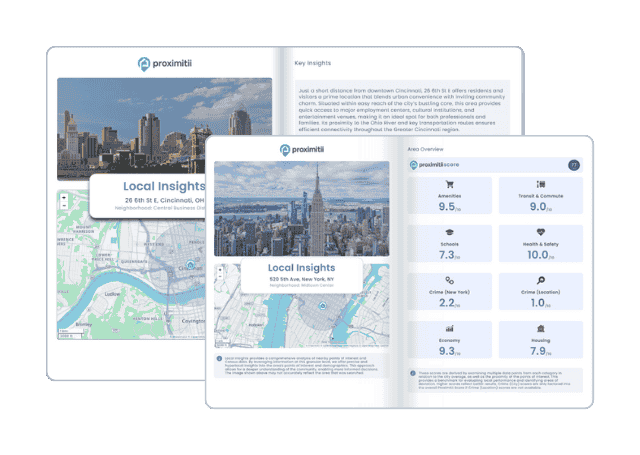
Why stop at city-to-city? With Local Insights, you can compare neighborhoods, zip codes, or even exact addresses. Access 300+ hyperlocal data points—from schools and crime to housing and amenities—to see which area is the better fit.

| Statistic | Parsons | Kansas | National |
| Average one way commute | 11min | 19min | 26min |
| Workers who drive to work | 81.4% | 82.2% | 76.4% |
| Workers who carpool | 13.3% | 9.3% | 9.3% |
| Workers who take public transit | 0.0% | 0.5% | 5.1% |
| Workers who bicycle | 0.8% | 0.3% | 0.6% |
| Workers who walk | 2.2% | 2.4% | 2.8% |
| Working from home | 1.5% | 4.2% | 4.6% |

 Here are the best places to live in Kansas
 Safest Cities In The US
 Check out the 10 most dangerous cities in Kansas
 See the best places to live in Parsons