

Living in New York, NY, known as 'The Big Apple,' offers a dynamic and vibrant lifestyle unmatched by any other city. Located in the southeastern part of New York State, New York City is a vast metropolis that embodies urban living with its towering skyscrapers, bustling streets, and relentless energy. Neighboring major cities like Newark and Philadelphia add to its appeal as a central hub in the Northeast corridor. The city's diversity is reflected in its neighborhoods, each with its own unique character and charm, from the artistic vibes of Greenwich Village to the luxury of the Upper East Side.
New York City is renowned for its iconic landmarks that draw millions of tourists each year. The Statue of Liberty stands as a symbol of freedom and democracy, while Central Park offers a sprawling green oasis amidst the urban jungle. Times Square, with its dazzling lights and vibrant atmosphere, epitomizes the city’s nonstop energy. The city's cultural scene is equally impressive, with world-class museums like the Metropolitan Museum of Art and the American Museum of Natural History. The culinary landscape is unparalleled, offering an endless array of dining options that represent every cuisine imaginable, from street food to Michelin-starred restaurants.
The city hosts numerous events and festivals throughout the year, including the famous New Year’s Eve celebration in Times Square and the vibrant parades of the Macy’s Thanksgiving Day Parade. These events contribute to the city's festive atmosphere and offer unique experiences for both residents and visitors. Prestigious universities like New York University and Columbia University contribute to the city's educational and cultural richness, attracting students and academics from around the globe and fostering a thriving intellectual community.
The arts and culture scene in New York City is unmatched, featuring Broadway theaters, the Lincoln Center for the Performing Arts, and countless galleries in Chelsea. Living in New York means constant exposure to new and exciting cultural experiences, from concerts and theater performances to art exhibitions and literary events. The city's libraries, including the iconic New York Public Library, offer resources and programs that cater to all ages and interests.
New York’s community is a melting pot of cultures, making it a unique and enriching place to live. The city boasts professional sports teams like the Yankees, Mets, Knicks, and Rangers, providing plenty of entertainment for sports enthusiasts. Major industries in New York include finance, media, and fashion, with significant employers such as Goldman Sachs and The New York Times. Public transit options are extensive, with the famous subway system, buses, and ferries providing comprehensive coverage. The city experiences a temperate climate with cold winters and hot, humid summers, requiring residents to adapt to a wide range of weather conditions.
 Amenities
A wealth of amenities, such as restaurants, coffee shops, grocery stores, parks and fitness facilities, are all conveniently located within walking distance.
 Commute
An elevated score in the commute category points to excellent public transit accessibility and shorter-than-average work commute times in this area.
 Employment
Higher than average median household income, income per capita and lower unemployment rates are seen in this area. The result is a high score in the employment category.
 Health & Safety
Good air quality as well as nearby health facilities like hospitals, clinics, nursing homes, fire and police stations all contribute to a higher than average health and safety score.
 Schools
The schools category earns a high score due to factors like exceptional test scores, strong education levels and the close proximity of elementary and high schools in this area.
 Cost Of Living
Living in this region comes with a high cost of living, translating to elevated costs for homes, goods and services, groceries, utilities, health care and transportation.
 Crime
Crime
This area reports elevated crime rates per 100,000 individuals, potentially pointing some areas being unsafe for its residents. Stats are based on both property and violent crimes.
Located in the state of New York, New York is a highly populated city with a population of 8,575,966 residents. With a population density of 28,552 people per square mile, New York is well above the nation's average density level. More than a quarter of the residents of New York identify themselves as Hispanic or Latino, and 24% of the population speak Spanish as their primary or secondary language. All the single ladies and all the single fellas might want to take notice as only 47% of the New York population is married. An important consideration when living in New York is the longer-than-average commute times. If you seek a short work commute, this area may not be the best choice for you. The one-way commute time here typically takes 41 minutes, far surpassing the national average of 26 minutes.
If you’re considering moving to any new city, it could be a very intimidating task. However, it could also be a good experience if you are willing to get to know the city before actually living in New York, New York. When searching for a new neighborhood, several key items should be considered. Safety is of utmost importance, ensuring a secure environment with low crime. Proximity to your workplace or school helps reduce commuting time and offers convenience. Access to amenities such as parks, grocery stores, and healthcare facilities enhances your daily life. Public transportation options contribute to easy mobility. A sense of community fosters a supportive and engaging environment. Lastly, the overall atmosphere should align with your desired lifestyle, ensuring a fulfilling living experience. Considering these items will guide you towards finding the perfect neighborhood that fits all your needs. To help you find the best places to live in and around New York, AreaVibes has created a livability score using key metrics like cost of living, commute, health & safety, education and more.
The livability score in New York is 75/100 and the city is ranked in the 88th percentile of all cities across America. This is a phenomenal score, as New York ranks well in multiple categories! If we dig down a little deeper into each category within the livability score, we see that New York has higher than average grades for the following: education (B+) and employment (A-). There is at least one category that does not have great scores in New York. The following was graded with a concerning score: crime (F) and cost of living (F).
If you're considering living in New York, it comes with numerous advantages, particularly in the form of an extensive selection of local amenities. These amenities play a pivotal role in elevating the quality of life within this vibrant community. From easily accessible grocery stores, to conveniently located fitness facilities, a diverse range of dining establishments and a multitude of shopping options, New York provides a comprehensive array of resources for its residents. This ensures the effortless fulfillment of your daily needs and creates ample opportunities for relaxation and recreation. The convenience of these local offerings greatly contributes to the overall appeal of the area, making it an enticing destination for those in search of convenience, diversity, and a gratifying lifestyle. If you're contemplating a move, the abundance of local amenities could very well be a defining characteristic of this area. Here are some of the more popular things to do in New York: Central Park, Top of the Rock Observation Deck, and Metropolitan Museum of Art.
There are many factors that go into deciding if an area is the right fit for your lifestyle. Certain “must haves” like low crime, great schools and nearby amenities are all at the top of most people's lists. But before even considering if those options are attainable, we'll need to know if the real estate in New York is actually affordable. The median home price for New York homes is $1,169,701, which is 132.3% higher than the New York average. If we take a closer look at the affordability of homes in New York, we’ll see that the home price to income ratio is 11.9, which is 112.5% higher than the New York average.
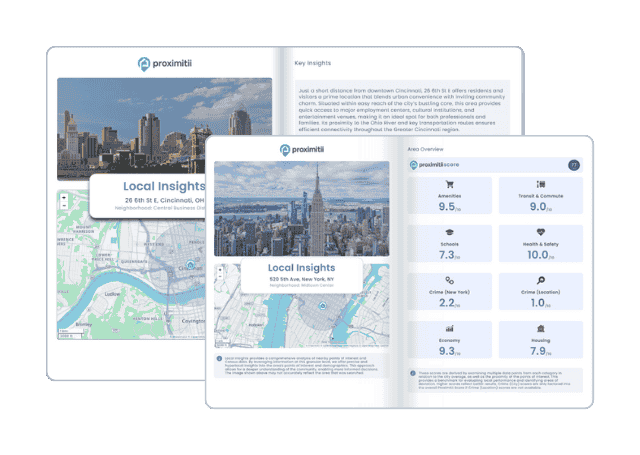
Why stop at city-to-city? With Local Insights, you can compare neighborhoods, zip codes, or even exact addresses. Access 300+ hyperlocal data points—from schools and crime to housing and amenities—to see which area is the better fit.

| Statistic | New York | New York | National |
| Average one way commute | 41min | 33min | 26min |
| Workers who drive to work | 22.3% | 53.0% | 76.4% |
| Workers who carpool | 4.5% | 6.7% | 9.3% |
| Workers who take public transit | 52.8% | 28.0% | 5.1% |
| Workers who bicycle | 1.3% | 0.7% | 0.6% |
| Workers who walk | 9.8% | 6.3% | 2.8% |
| Working from home | 7.4% | 4.0% | 4.6% |

 Here are the best places to live in New York
 Most Dangerous States In The US
 Safest States In The US
 Most Dangerous Cities In The US