

 Commute
A high commute score suggests convenient, easy access to public transportation, with shorter-than-average work commute times to work.
 Crime
Crime
The crime rate is far lower than the national average per 100,000 residents. As such, it should be considered a very safe place to live when compared to other areas.
 Employment
This area excels in the employment category with a score well above average, primarily due to the higher median home income, per capita income and low unemployment rates.
 Housing
High scores in the housing category are attributed to this area, possibly pointing to a favorable home affordability ratio, robust appreciation rates or elevated home values.
 Health & Safety
Achieving a high health and safety score relies on factors including great air quality and convenient access to vital health facilities such as hospitals, doctors, clinics and police stations.
 Cost Of Living
The cost of living in this area is notably high, making it a more expensive place to live. You'll find higher expenses for everyday goods and services, housing and groceries.
Hasbrouck Heights is a mid-sized city located in the state of New Jersey. The city has a population of 12,269 people. In Hasbrouck Heights, there are 8,054 people per square mile, which is well above the national population density average. If we look at the most recent Census, Hasbrouck Heights is known to have a predominantly White population. The next two most common races are Asian and Black. Something to be aware of when living in Hasbrouck Heights are the above average commute times. If you're looking for a short commute to work, this might not be the right area for you. With one way commute time of 30 minutes, this comes in much higher than the national average of 26 minutes.
Without the right tools, moving to any new area can be very stressful and challenging. Living in Hasbrouck Heights, New Jersey could be a good experience for anyone who puts in the time to do the research required. When searching for a new neighborhood, several key items should be considered. Safety is paramount, ensuring a secure environment for you and your family. Proximity to workplaces or schools reduces commuting time and enhances convenience. Access to amenities like parks, grocery stores and healthcare facilities contributes to a comfortable lifestyle. Reliable public transportation options promote easy mobility. A strong sense of community fosters social connections and a welcoming atmosphere. Finding the best places to live in Hasbrouck Heights and nearby areas is a much easier task when you can rely on information and data from the livability score, which includes amenities, crime, education, employment, housing and other important metrics.
Hasbrouck Heights has a livability score of 85/100 and is ranked #17 in New Jersey and #470 in the USA. Clearly, Hasbrouck Heights is doing something right, as this score ranks well above the average of most cities. Hasbrouck Heights has also earned the rare honor of ranking in the top 10 percentile among all cities. For each of the livability categories, we can establish that Hasbrouck Heights ranks very well for amenities (B), crime (A+), education (A+) and housing (A). On a less positive note, Hasbrouck Heights does not have favorable scores for the following: cost of living (F). If we take a look at the data, we can find out why.
The mantra of real estate, "location, location, location," underscores the importance of where a property is situated, making it a pivotal factor in your quest for a new home. Fortunately, when you're living in Hasbrouck Heights, you'll discover an abundance of exceptional local amenities and lots of things to do. Among these are conveniently located grocery stores, charming coffee shops, diverse dining options and plenty of spacious parks. These local amenities contribute significantly to its overall appeal, ensuring that your daily needs are met and offering ample opportunities for leisure and recreation. When considering your next move, the thriving local scene in Hasbrouck Heights undoubtedly enhances its desirability, affirming the significance of its prime location.
Low rates of violent crime, encompassing offenses such as murder, rape, robbery and assault, contribute significantly to a safer living environment. This reduction in crime minimizes the chances of personal harm, property theft, or violent incidents. Furthermore, low crime rates can have a positive impact on property values and the overall desirability of an area. There were 24 crimes per 100,000 residents, which signifies that Hasbrouck Heights boasts an impressively low violent crime rate that falls well below the national average.
A healthy real estate market serves as a key economic indicator. It could signify overall local economic strength, stability and reflects consumer confidence in the area. Based on multiple factors including: median home and rental prices, appreciation rates and home affordability, Hasbrouck Heights has received high marks in the housing category. Based on these calculations, the apartment rental and real estate market appears to be very healthy.
Assuming that Hasbrouck Heights meets all of your requirements like low crime rates, good schools and great local amenities, the next most important item to examine is the affordability of real estate in Hasbrouck Heights. Everything else becomes a lot less important if it turns out that home prices in Hasbrouck Heights are simply unattainable. Median real estate prices in Hasbrouck Heights come in at $759,436, which is 36.7% higher than the New Jersey average. The home price to income ratio compares the median home prices to the median household income. In Hasbrouck Heights, the home price to income ratio is 5.3, which is 3.9% higher than the New Jersey average.
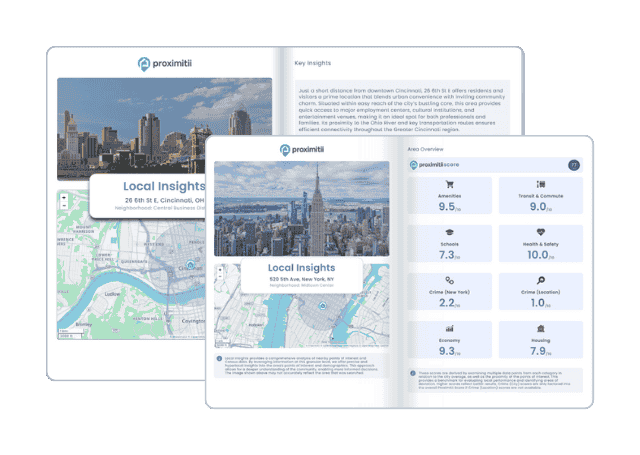
Why stop at city-to-city? With Local Insights, you can compare neighborhoods, zip codes, or even exact addresses. Access 300+ hyperlocal data points—from schools and crime to housing and amenities—to see which area is the better fit.

| Statistic | Hasbrouck Heights | New Jersey | National |
| Average one way commute | 30min | 31min | 26min |
| Workers who drive to work | 71.6% | 71.7% | 76.4% |
| Workers who carpool | 3.4% | 8.1% | 9.3% |
| Workers who take public transit | 14.1% | 11.2% | 5.1% |
| Workers who bicycle | 0.0% | 0.3% | 0.6% |
| Workers who walk | 2.6% | 3.0% | 2.8% |
| Working from home | 4.4% | 4.1% | 4.6% |

 Here are the best places to live in New Jersey
 These are the 10 cheapest cities in New Jersey
 Most Dangerous Cities In The US
 Check out the 10 safest cities in New Jersey