

 Crime
Crime
With a lower than average crime rate per 100,000 people, this area could be considered a very safe place to live. Crime rates are based on both violent and property crimes.
 Employment
The combination of higher than average median home income, income per capita and low unemployment rates results in a score that is well above average in the employment category.
 Housing
This area has received high scores in the housing category. This could be due to a positive home affordability ratio, high appreciation rates or elevated home values.
 Health & Safety
A high score in the health and safety category is a result of good air quality and the accessibility to health facilities such as hospitals, clinics, doctors, pharmacies and fire stations.
 Schools
High test scores, elevated graduation rates as well as the conveniently located elementary and high schools in this area have all contributed to the high score in the schools category.
 Amenities
A majority of amenities are not ideally situated within a reasonable walking distance, which may lead residents to rely on a vehicle or public transportation.
 Commute
Public transportation is not readily available in this area and the average commute time to work could also be longer than the national average.
Brookfield, Wisconsin is a medium-sized city with a population of 39,415 residents. The majority of Brookfield residents report their race to be White; this is followed by Asian and Black. If finding a family friendly city is important to you, look no further. With more than 72% of the population considered married and 42% with kids under the age of 18, Brookfield could be considered a very suitable city for families.
Whether you’re relocating to a new city to be closer to family, friends or for a new job, living in Brookfield could be a positive experience compared to other cities in Wisconsin if you know where to search. Don't forget to determine what matters most to you in a neighborhood. Consider factors such as safety, proximity to work or school, access to amenities (like parks, fitness facilities, grocery stores, restaurants), public transportation options, community atmosphere and the overall vibe you're looking for. Using the livability score which includes data from categories like crime, commute, education, employment, you can easily compare the best places to live in Brookfield and also determine if there are any nearby cities that might be a better match for your lifestyle. You can also compare Brookfield to Wisconsin and the national average.
Brookfield, WI receives 79 out of 100 for its livability score; this results in a ranking of #61 in Wisconsin and #1,796 in the USA. Pack your bags! This is a very high score in comparison to other US cities. Living in Brookfield could be a great choice! Brookfield also ranks in the top 10 percent of all cities, which is no small feat! If we dig a little deeper into each category within the livability score, we see that Brookfield has higher than average grades for the following: crime (A+), education (A+) and housing (A+). The bad news for Brookfield, there are some categories for which it does not rank well, this includes: amenities (F) and cost of living (F).
Crime rates can be the deciding factor for anyone looking to relocate to a new area, as the result is often a greater level of safety and security as well as an improved quality of life. Brookfield gets top scores for their low violent crime rates of 83 crimes per 100,000 residents, which are significantly lower than the national average.
The unemployment rate in Brookfield has consistently declined over the years and currently stands well below the national average at 2.3%. This downward trend holds the potential to reduce poverty and inequality within the region, promote higher wage levels and stimulate greater economic growth. Such positive indicators signal the overall robust health of the local economy, offering a promising outlook for its residents and fostering an environment of financial well-being and prosperity.
Test scores can be a good way to measure a school's academic performance and the proficiency of its students. They can be an important metric in deciding if the local area schools can provide a solid educational system for children. The schools in Brookfield have an average test score of 65%, which is well above the US average.
A healthy real estate market serves as a key economic indicator. It could signify overall local economic strength, stability and reflects consumer confidence in the area. Based on multiple factors including: median home and rental prices, appreciation rates and home affordability, Brookfield has received high marks in the housing category. Based on these calculations, the apartment rental and real estate market appears to be very healthy.
Being close to public transit, grocery stores, parks and other conveniences are all important when weighing your options for a new home in Brookfield. Before you determine if any of these amenities are available in the area, you will also want to know if the real estate prices in Brookfield are affordable. The median home price for Brookfield homes is $593,334, which is 97% higher than the Wisconsin average. If we take a closer look at the affordability of homes in Brookfield, we’ll see that the home price to income ratio is 3.7, which is 0% lower than the Wisconsin average.
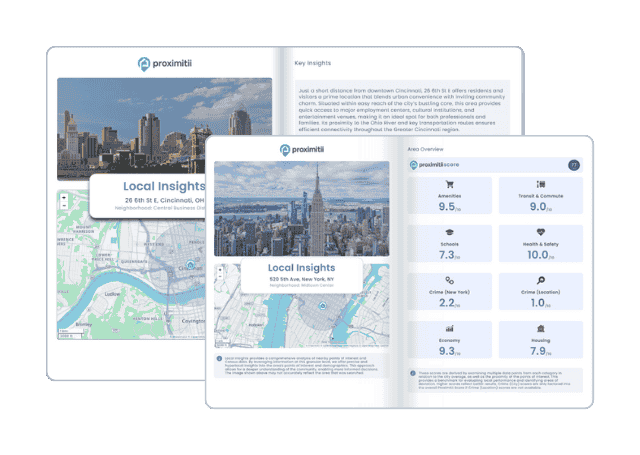
Why stop at city-to-city? With Local Insights, you can compare neighborhoods, zip codes, or even exact addresses. Access 300+ hyperlocal data points—from schools and crime to housing and amenities—to see which area is the better fit.

| Statistic | Brookfield | Wisconsin | National |
| Average one way commute | 22min | 22min | 26min |
| Workers who drive to work | 84.5% | 80.7% | 76.4% |
| Workers who carpool | 4.7% | 8.3% | 9.3% |
| Workers who take public transit | 0.2% | 1.9% | 5.1% |
| Workers who bicycle | 0.6% | 0.8% | 0.6% |
| Workers who walk | 0.3% | 3.3% | 2.8% |
| Working from home | 8.9% | 4.2% | 4.6% |

 Here are the best places to live in Wisconsin
 Check out the 10 safest cities in Wisconsin
 Safest Cities In The US
 Safest States In The US